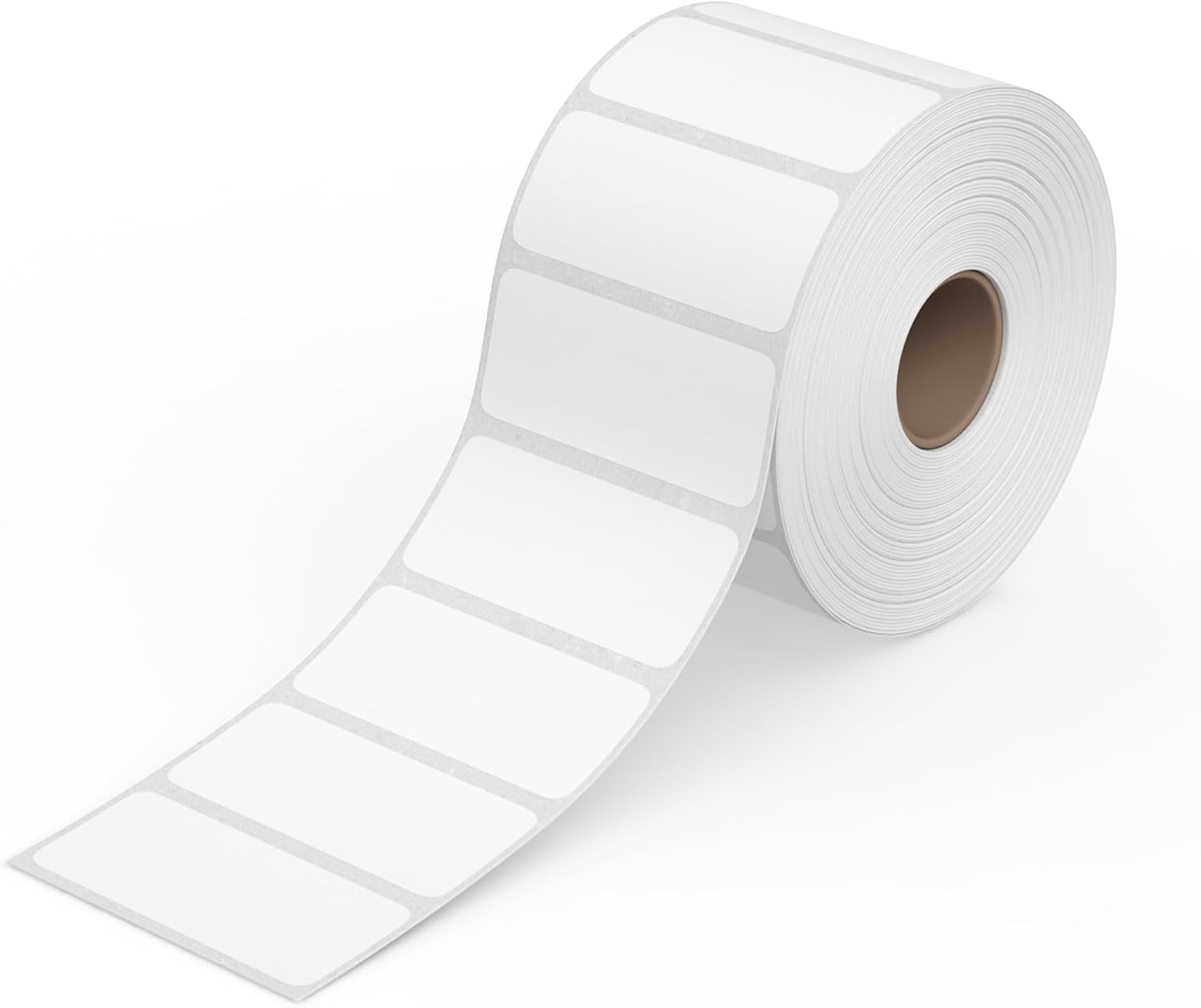
Direct thermal label is a type of label that is printed using a specialized printer that applies heat directly to the label's surface. The key feature is that it requires no ink, toner, or ribbon to produce an image.
What is a direct thermal label?
Direct thermal label is a type of label that is printed using a specialized printer that applies heat directly to the label's surface. The key feature is that it requires no ink, toner, or ribbon to produce an image.
How It Works:
◉ Heat-Sensitive Paper: The label is made of a specialty paper or synthetic material coated with a heat-sensitive chemical layer (often containing leuco dyes).
◉ Thermal Printhead: The printer has a thermal printhead with tiny heating elements.
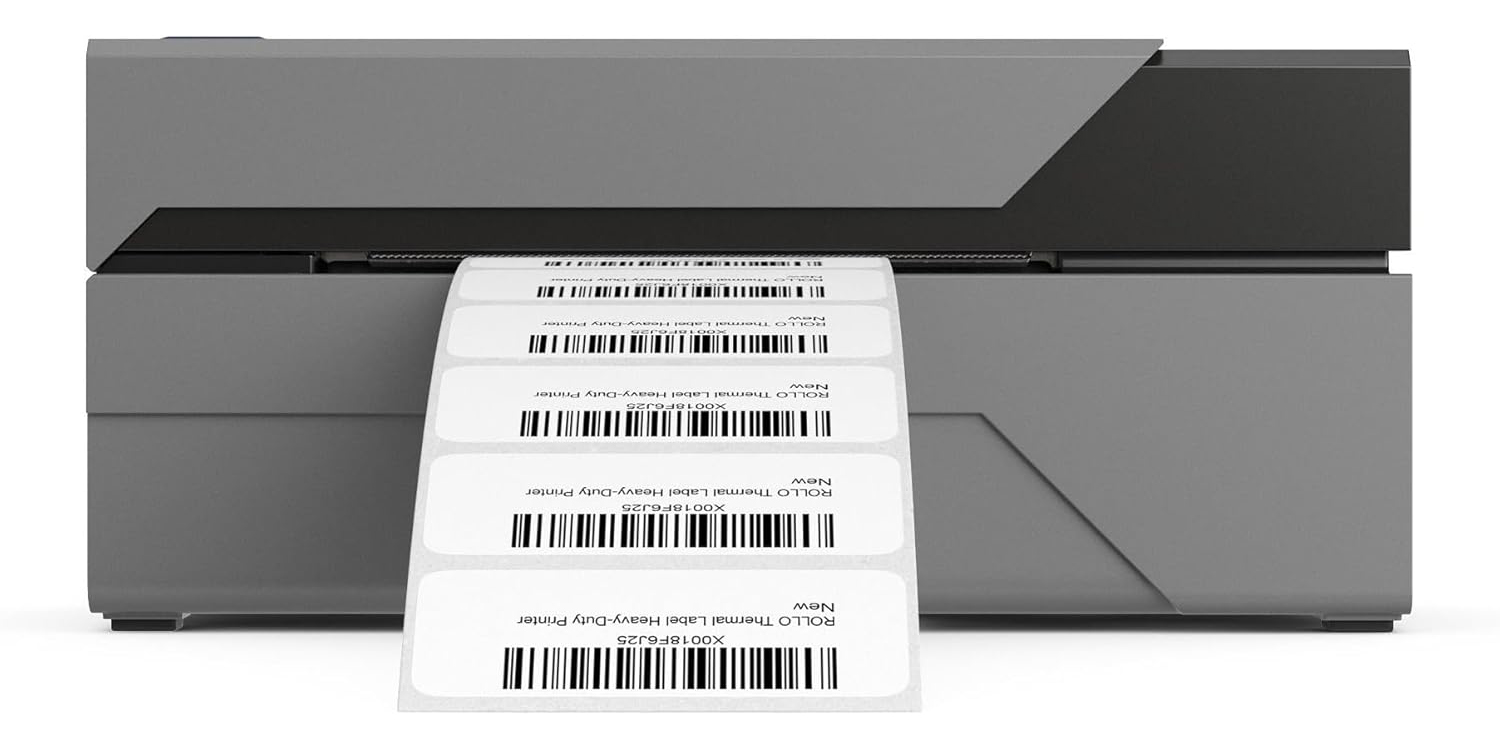
◉ Application of Heat: As the label passes under the printhead, the heated elements activate the coating in specific areas, turning it black (or another color) to create text, barcodes, or graphics.
 Key Characteristics & Common Uses:
◉ No Ribbon Required: This makes the printing process simpler and reduces consumable costs.
◉ Economical for Short-Term Use: Ideal for applications where the label only needs to last for a limited time.
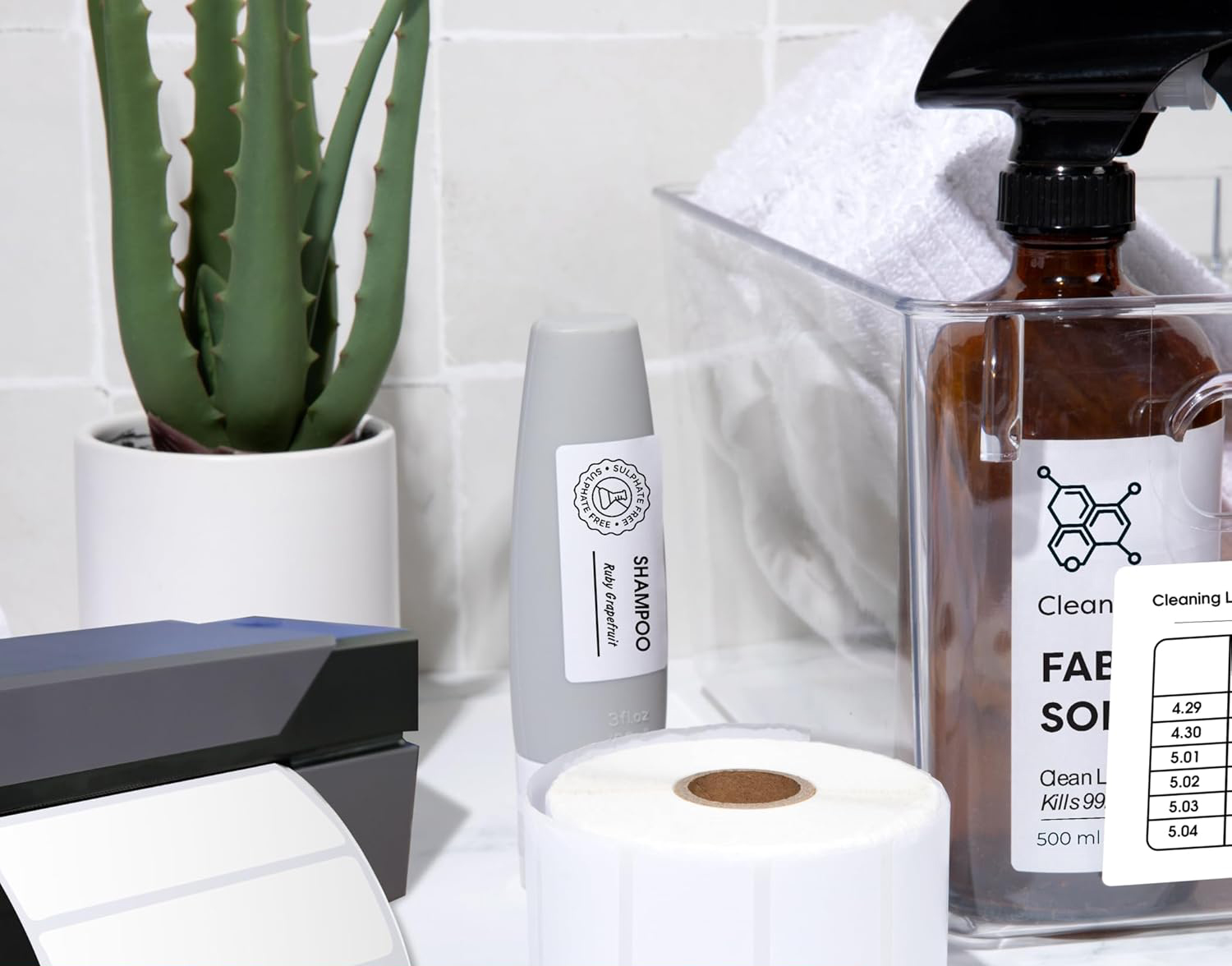
◉ Common Applications:- Shipping Labels: (e.g., UPS, FedEx, USPS labels)
- Retail Receipts
- Barcodes for Inventory Management (short-term)
- Food Safety Labels (use-by dates)
- Parking Tickets & Event Wristbands
- Pharmacy Prescription Labels
Advantages:
◉ Simpler Maintenance: Fewer moving parts and no ribbon to change.
◉ Quieter and Faster for simple printing tasks.
◉ Cost-Effective: Lower upfront printer cost and no ribbon expense.
Disadvantages & Important Considerations:
◉ Fades Over Time: The main drawback. The image is susceptible to:
- Heat: Exposure to sunlight, hot warehouses, or car dashboards.
- Abrasion: Rubbing against other surfaces.
- Chemicals: Exposure to cleaners, alcohols, or plasticizers (found in some shipping bags).
- UV Light: Direct sunlight.
◉ Limited Material Options: Primarily paper-based, though more durable synthetic versions exist.
◉ Shelf Life: The unprinted labels themselves can darken if stored in hot conditions.
Direct Thermal vs. Thermal Transfer:It's often confused with Thermal Transfer printing, which does use a heated printhead but melts a wax or resin ribbon onto the label material. Thermal Transfer labels are much more durable, chemical and abrasion-resistant, and are used for permanent labels on electronics, asset tags, and outdoor applications.
Direct thermal label is a cost-effective, no-ribbon solution perfect for short-term labeling where longevity isn't critical, such as shipping packages or receipts. Its susceptibility to fading makes it unsuitable for permanent identification or harsh environments.

