Thermal transfer label is an industrial grade identification technology that transfers carbon ribbon ink to a substrate through heating. It has waterproof, high temperature resistant, and corrosion-resistant properties and is widely used in equipment management, medical, logistics, and other fields.
What is a thermal transfer label?
As a long-term supplier specializing in the field of label materials, we hope to provide you with a professional perspective to clearly interpret the core principles, material composition, and unique value of heat transfer labels in practical applications. Heat transfer printing labels are not only an important component of modern industrial labeling, but also one of the key technologies to enhance product traceability, durability, and brand image.
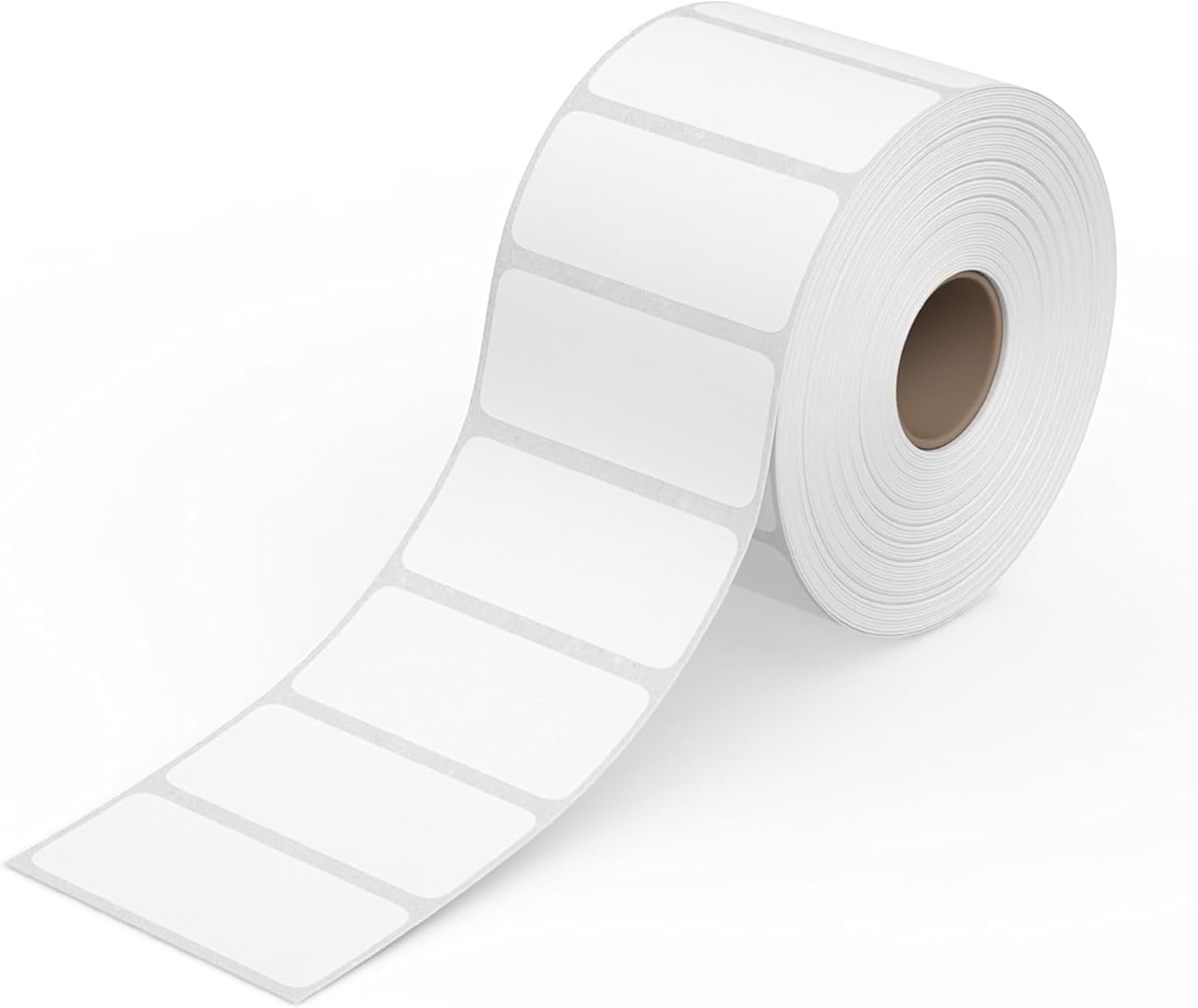
1、 What is a heat transfer label?Thermal transfer printing labels are identification products formed by accurately transferring resin or wax based materials on a carbon ribbon onto a specially designed label surface using thermal transfer printing technology. Its core lies in "thermal activation": the print head heats the carbon ribbon, causing the ink layer to melt and firmly adhere to the label surface, forming clear and stable graphic and textual information.
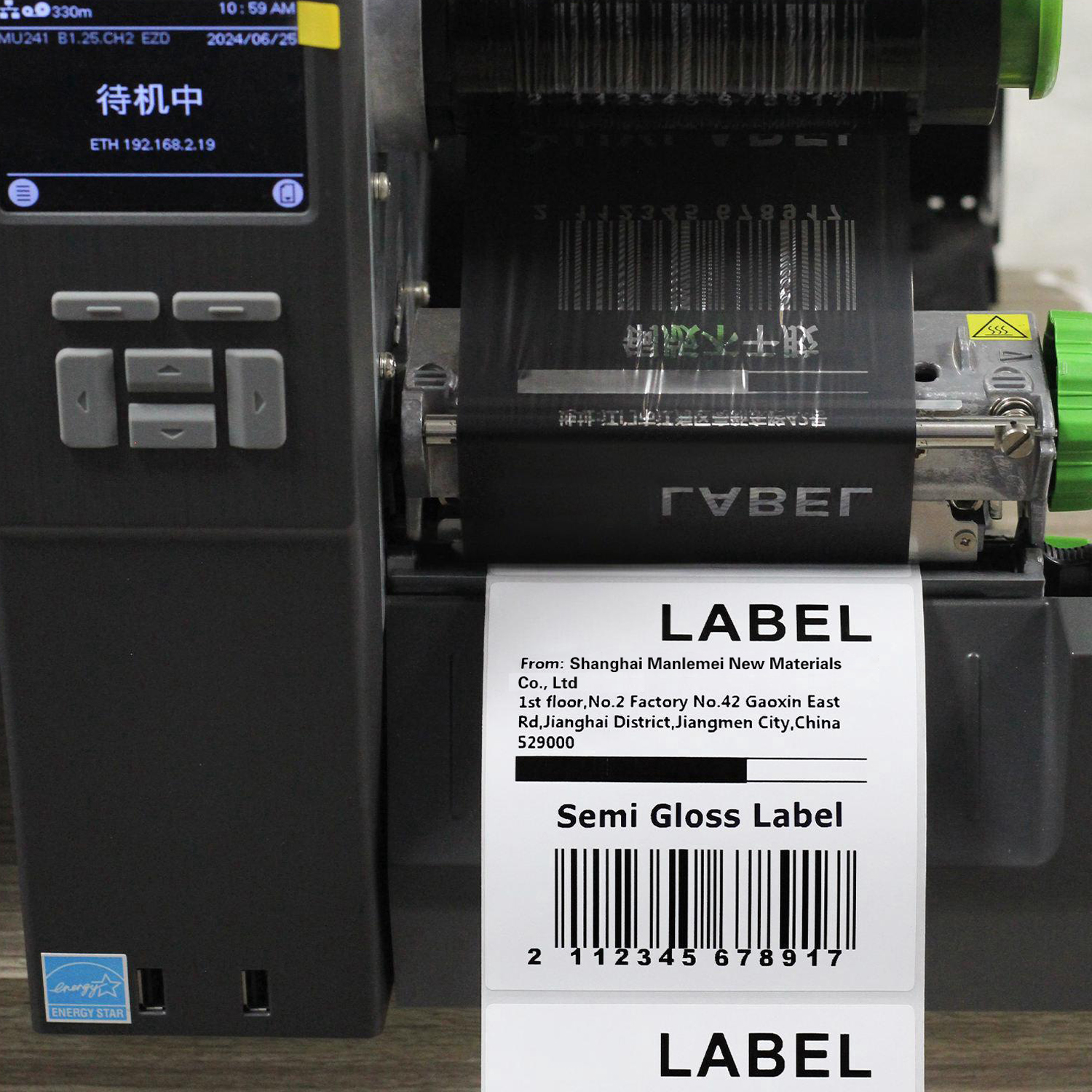
2、 The three core materials of heat transfer printing labelsAs a material supplier, we focus on the system compatibility of "label surface material+carbon tape+adhesive", which together determine the performance and application scenarios of the label:
◉ Label surface material
- Synthetic materials: PET, PVC, PP, etc., resistant to oil, chemicals, and extreme temperatures, suitable for industrial and outdoor environments.
- Paper materials: coated paper, matte paper, etc., economical and environmentally friendly, suitable for retail and logistics labels.
- Special materials: high-temperature resistant polyimide, anti-counterfeiting film, etc., meet the needs of special industries such as electronics and automobiles.
◉ Carbon ribbon (heat transfer printing ribbon)
- Wax based carbon tape: Low cost, suitable for ordinary paper labels (such as logistics waybills).
- Resin based carbon ribbon: high weather resistance, resistant to chemical corrosion and friction, used for synthetic material labels.
- Mixed based carbon ribbon: Balancing durability and cost, widely used for product labeling.
◉ Adhesive and backing paper
- Adhesive: Provide permanent or removable adhesive solutions based on the bonding surface (curved, rough, low-temperature surface).
- Base paper: Gracin, PET release paper, etc., ensuring stable paper flow during printing and adapting to high-speed automatic labeling.
3、 Why choose heat transfer printing labels?◉ Excellent durabilityThe combination of graphics and labels on the surface is scratch resistant, alcohol resistant, and grease resistant, and the information can be retained for several years without fading.
◉ Flexible customizationBy matching different surface materials with carbon strips, special effects such as high gloss, matte, anti-counterfeiting, and high temperature resistance can be achieved.
◉ Efficient production adaptabilitySupports high-speed printing (up to 300mm/s or more), compatible with automatic labeling equipment, and improves assembly line efficiency.
◉ Widely applicable to various industriesThere are mature material solutions for food cold chain traceability, medical device labeling, electronic component management, and chemical barrel labeling.
4、 Typical application scenarios◉ Manufacturing industry: component traceability labels, asset management system labels.
◉ Logistics and warehousing: high-density barcode labels, low-temperature freezing resistant labels.
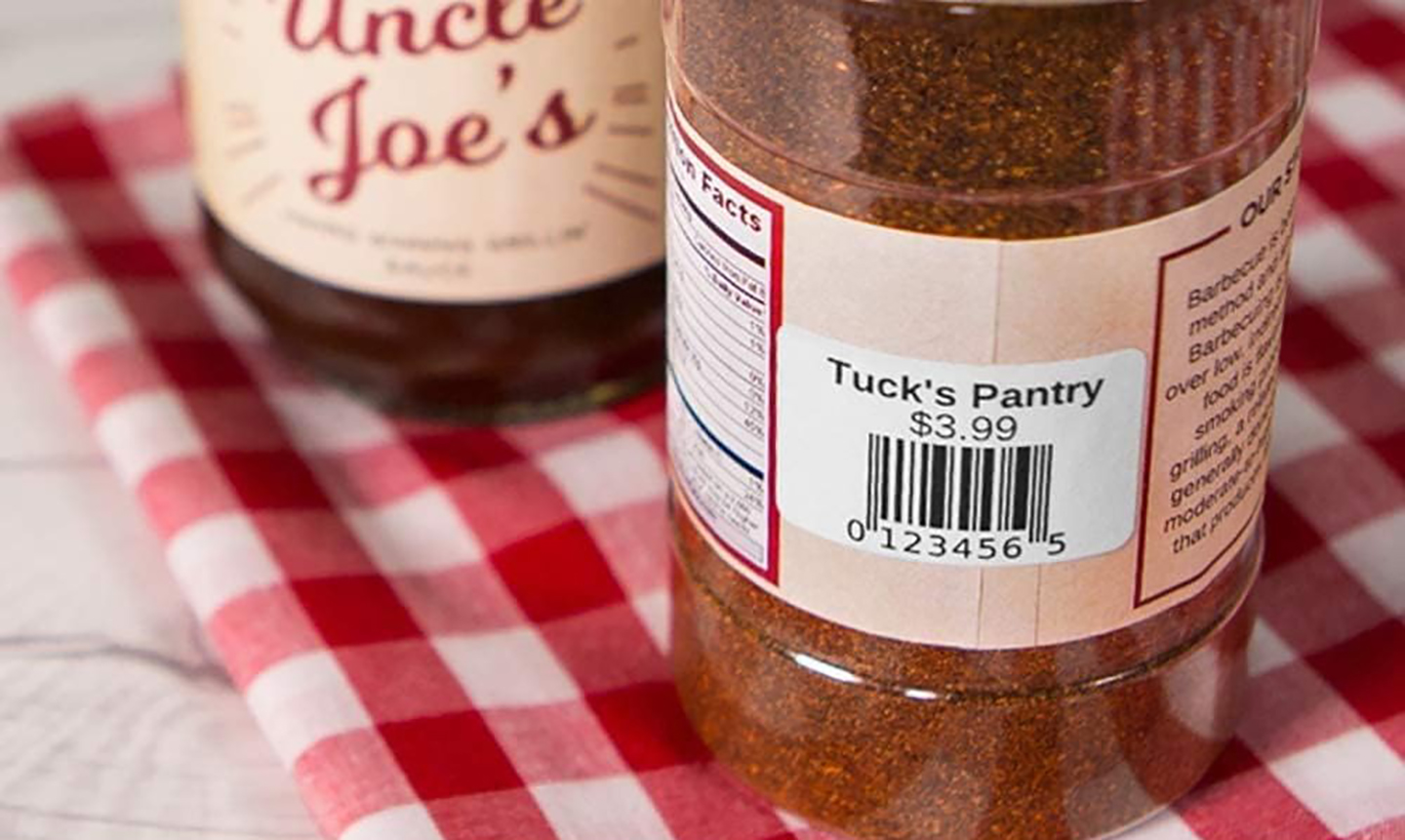
◉ Retail industry: product price tags, jewelry labels, anti-counterfeiting labels.
◉ Special environment: PCB board labels (high temperature resistance), outdoor equipment labels (UV resistance).
5、 How to choose a matching scheme?◉ Clear usage environment: Is there a need for exposure to chemicals, high temperatures, or outdoor sun exposure?
◉ Determine the pasting surface: curved surface, plastic bottle, metal can, or fiber packaging?
◉ Balancing cost and performance: We can provide free sample testing to help you optimize your choices.
We not only provide label materials and carbon tapes that comply with ISO standards, but also recommend systematic solutions for your production equipment (such as Zebra, Datamax, SATO printers, etc.) to ensure stable printing results and low loss rates. The essence of heat transfer printing labels is the combination of material science and labeling technology, and our mission is to create maximum value in your scene through this combination.
If you need further technical consultation or sample testing, please feel free to contact us at any time!
Let professional materials become your silent support for efficient production.

