Inkjet printers atomize ink into tiny particles through the print head and spray them line by line onto paper to form an image; Laser printers use laser beams to form electrostatic images on photosensitive drums, which are then fixed to paper through toner transfer.
Comparative analysis of inkjet and laser labeling technologies
In the field of label identification, inkjet and laser are two mainstream printing technologies that are based on completely different physical principles, resulting in vastly different performance and application scenarios. Understanding their core differences is the first step in choosing the most economical and efficient solution for your business.
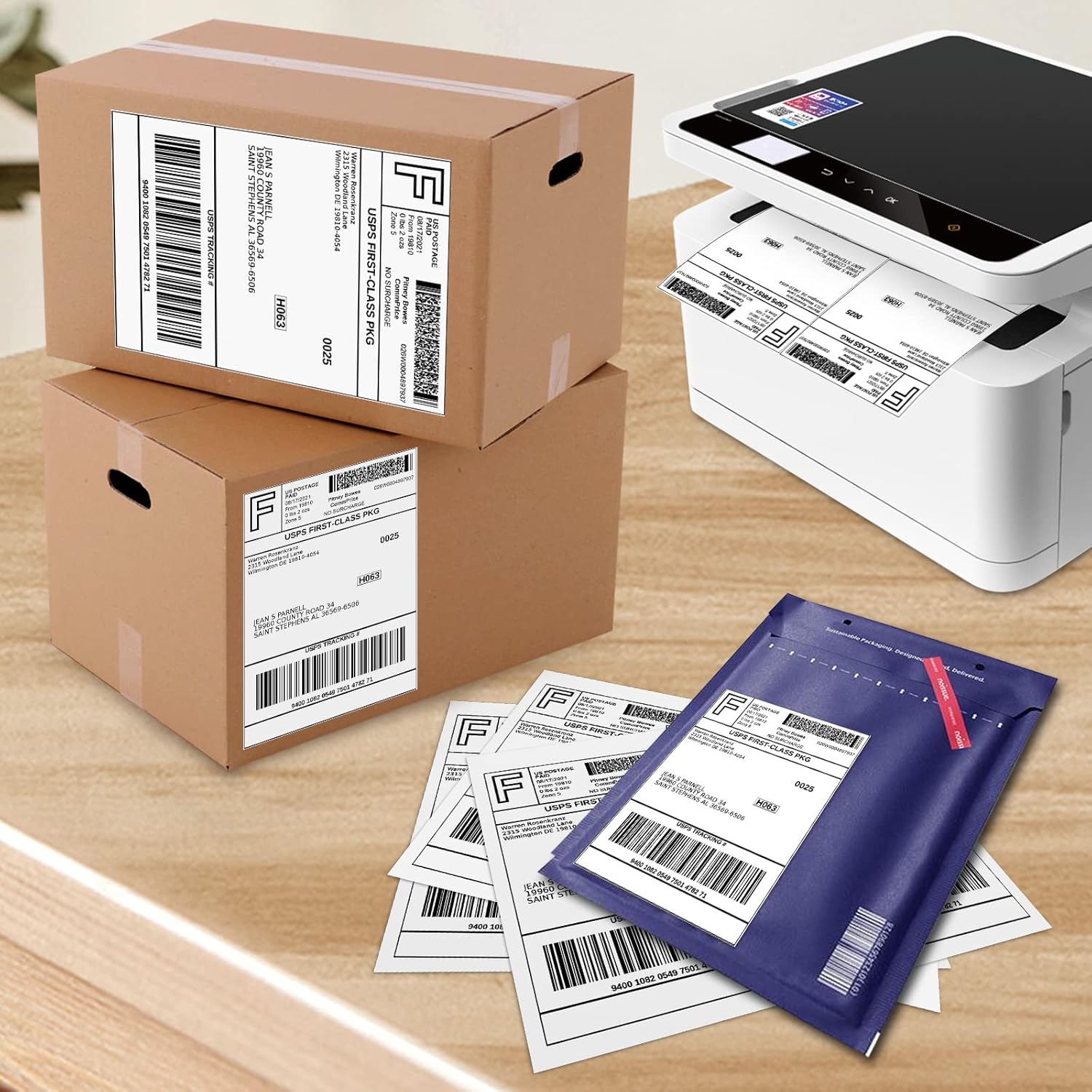
To help you quickly grasp the key differences, we have summarized the following comparative overview:
| comparative dimension |
Inkjet label printing |
Laser label printing |
| core principle |
Spray liquid ink onto the surface of the material through a precision nozzle. |
Using a laser beam to generate an electrostatic latent image, adsorbing carbon powder and fixing it by hot pressing. |
| Print speed |
Relatively slow, usually around 5 pages per minute. |
Fast speed, up to 30 pages per minute or higher, suitable for batch operations. |
| image quality |
It can achieve high-quality full-color printing with bright colors, suitable for complex graphics. |
The text and lines are extremely clear and sharp, with a strong sense of professionalism, but the color gradient effect is usually not as good as inkjet. |
| Medium adaptability |
Widely applicable, it can be printed on various materials such as matte paper, glossy paper, synthetic labels, etc. |
Due to the limitations of carbon powder adhesion and fixing temperature, there are specific requirements for label materials such as heat resistance. |
| durability |
Ink adhesion is relatively weak and may become blurry or peel off due to friction or moisture. |
Durable and long-lasting, the printing effect is waterproof, scratch resistant, and not easily faded. |
| color ability |
Advantage areas. It is the preferred choice for printing full-color labels and photo level images. |
Mainly used for black and white or monochrome labels. Color laser has a high cost and its color performance is usually not as vivid as inkjet. |
| cost structure |
The equipment purchase cost is relatively low, but the long-term ink consumption cost is high, and nozzle blockage can cause maintenance problems. |
The initial investment in equipment is relatively high, but the long-term cost of single page printing is low and the operation is stable. |
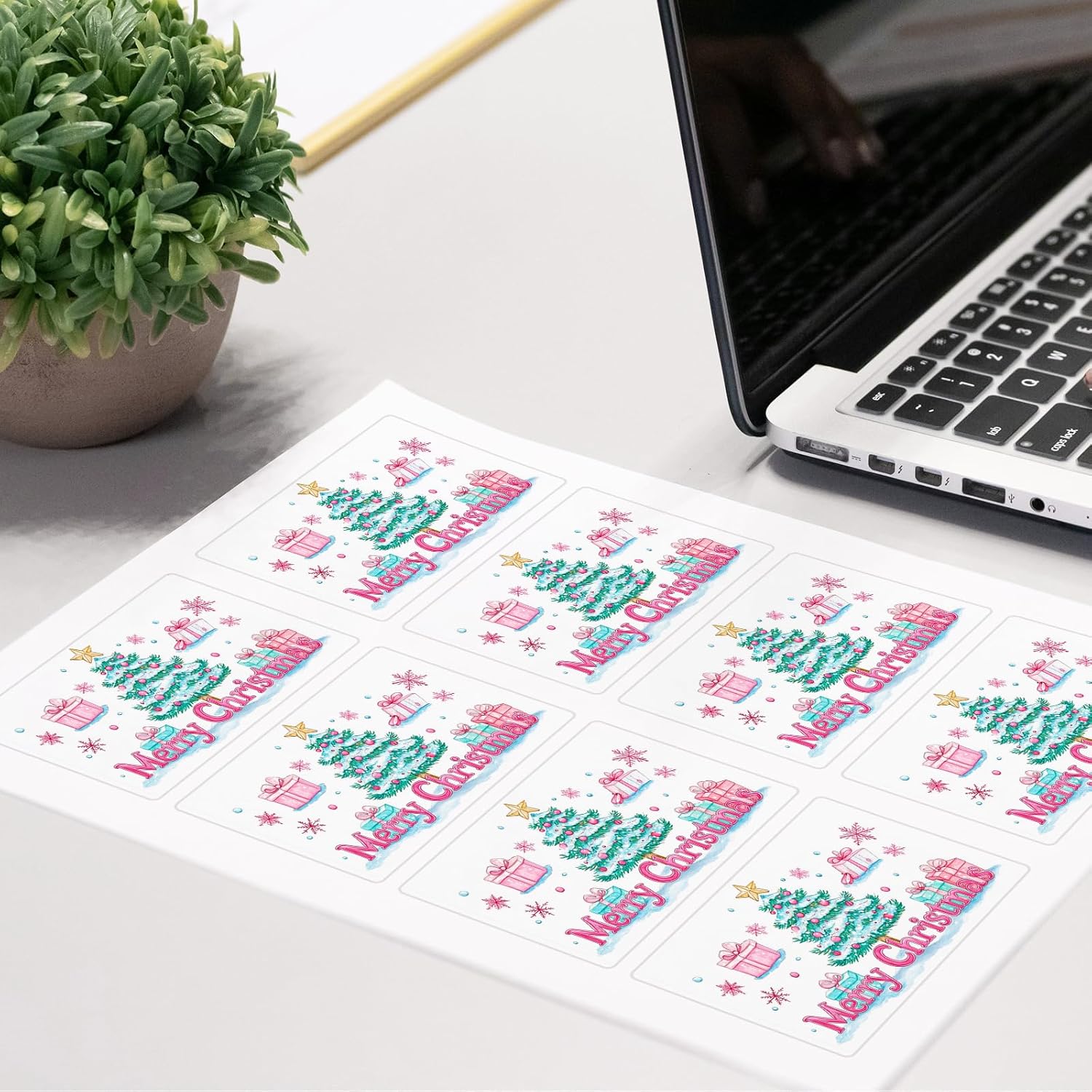 How to choose: Starting from your actual needs◉ Choose an inkjet label printer, if your requirements are:
- Print full-color, visually appealing product labels or packaging.
- Printing media are diverse and often require the use of special materials such as stickers and glossy paper.
- The printing batch size is not large, and the durability requirements for extreme environments are not high.
- We place great emphasis on the initial purchase budget of the equipment.
◉ Choose a laser label printer, if your requirements are:
- A large number of labels, mainly consisting of text, barcodes, and QR codes, need to be printed (such as transportation waybills and warehouse shelf labels).
- Pursuing extremely high printing speed and efficiency to cope with the shipping pressure during peak periods.
- The label must be durable, clear, waterproof and wear-resistant, ensuring readability throughout the entire supply chain process.
- Although the initial investment is slightly higher, it places greater emphasis on long-term stable low operating costs and low maintenance rates.
Choosing the right label printing technology is a crucial step in optimizing operating costs, enhancing brand image, and ensuring smooth supply chain. We look forward to further communication with you and working together to find the most suitable solution for your business.

