Glossy White PET Label is a high-performance adhesive label material based on polyester film (PET). Due to its excellent physical and chemical properties, it is widely used in scenarios that require high durability, clarity, and environmental adaptability.
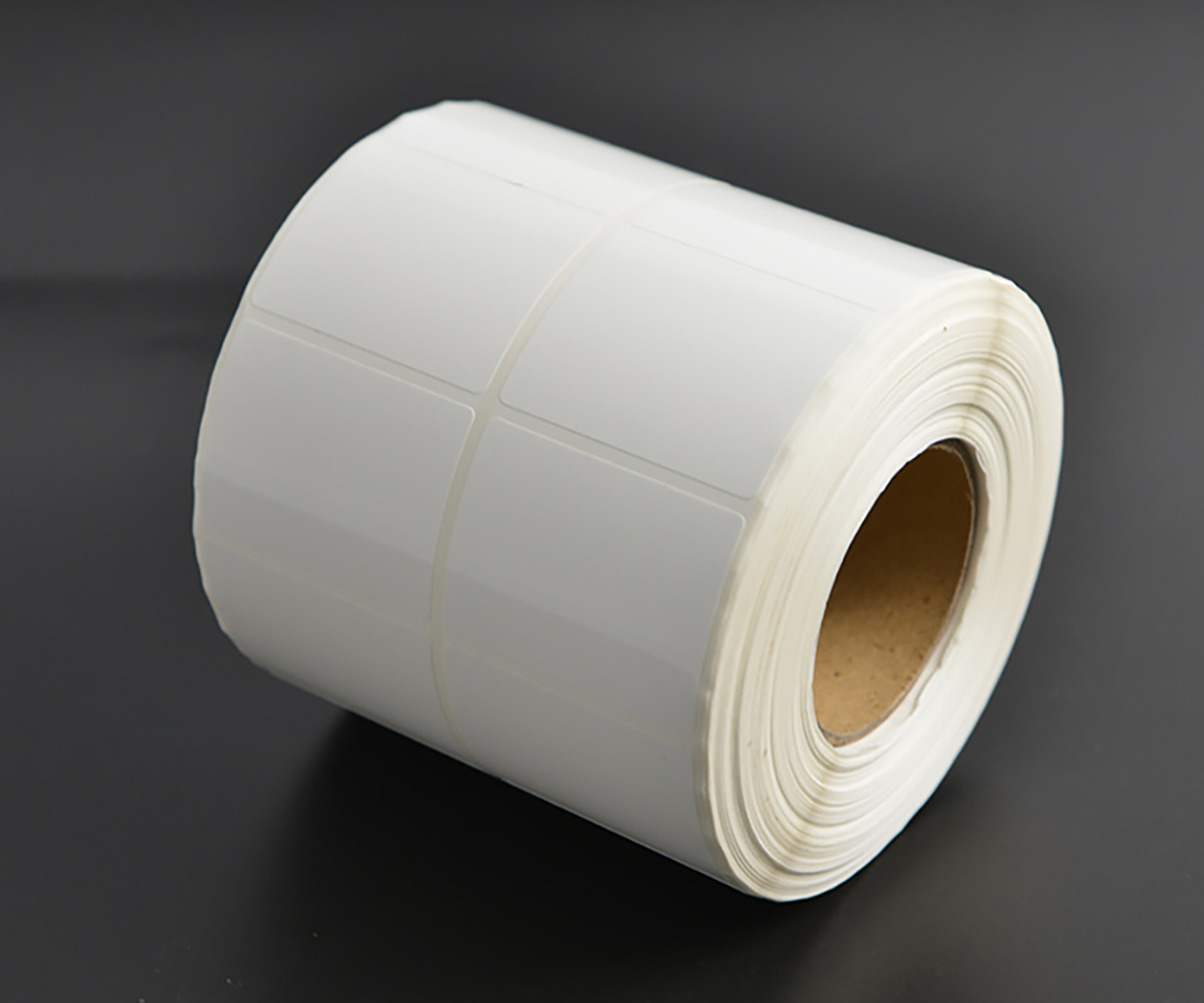
1、 Core Features
Bright white PET has excellent tear resistance, high temperature resistance, dimensional stability, and chemical corrosion resistance, and can maintain stability in a temperature range of -20 ° C to+120 ° C or even wider, making it suitable for use in extreme environments.
- Excellent printing adaptability
The surface is treated with a special coating, suitable for various methods such as heat transfer printing, thermal printing, inkjet printing, and laser printing, especially for high-precision information identification such as barcodes and QR codes.
- Strong environmental adaptability
Capable of waterproof, oil resistant, UV resistant, solvent resistant, and acid alkali corrosion resistant, suitable for outdoor signage, industrial equipment labeling, and humid or high-temperature environments.
- Excellent appearance performance
The bright white surface material provides a high contrast background, making printed text and patterns clearer and more eye-catching, enhancing product aesthetics and brand recognition.
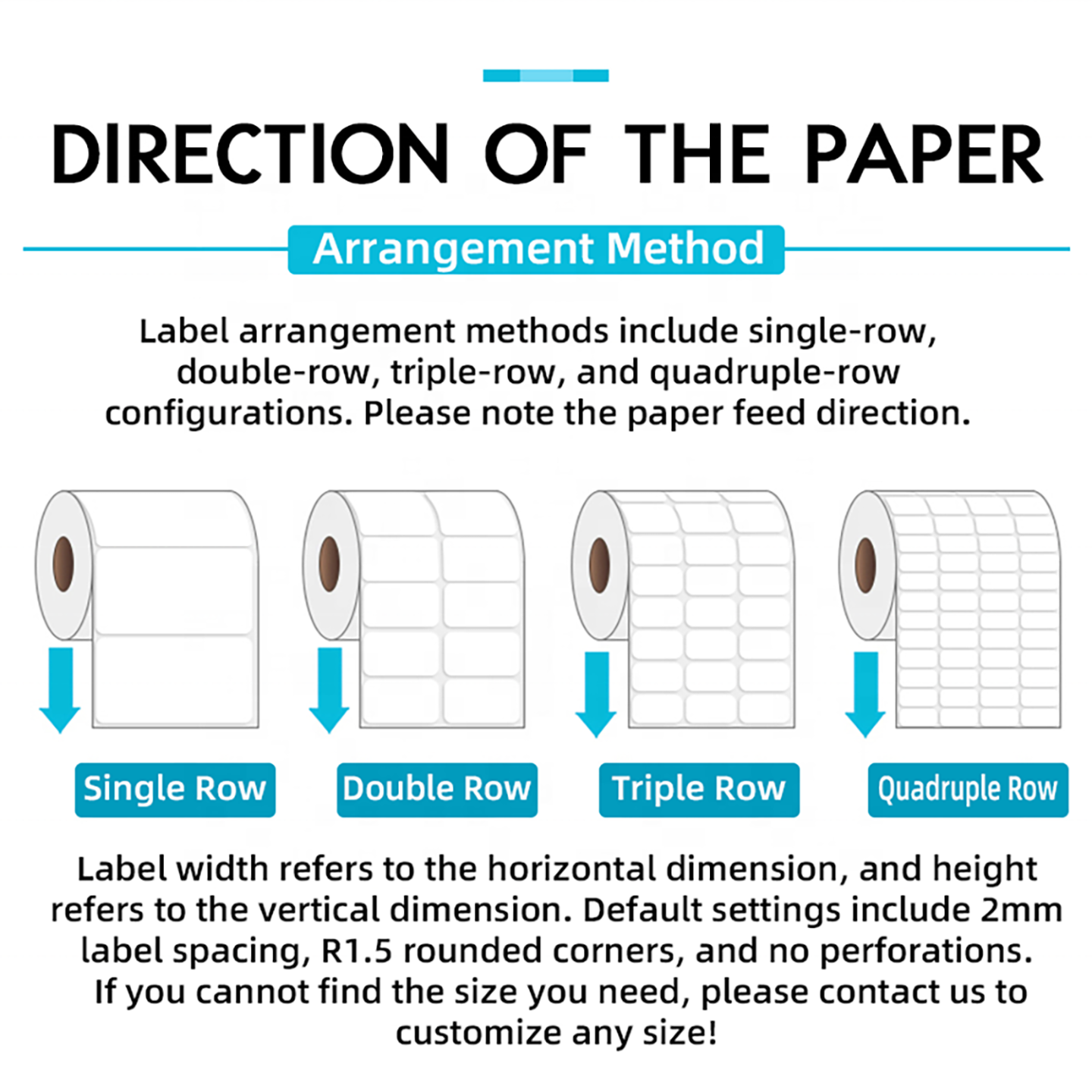
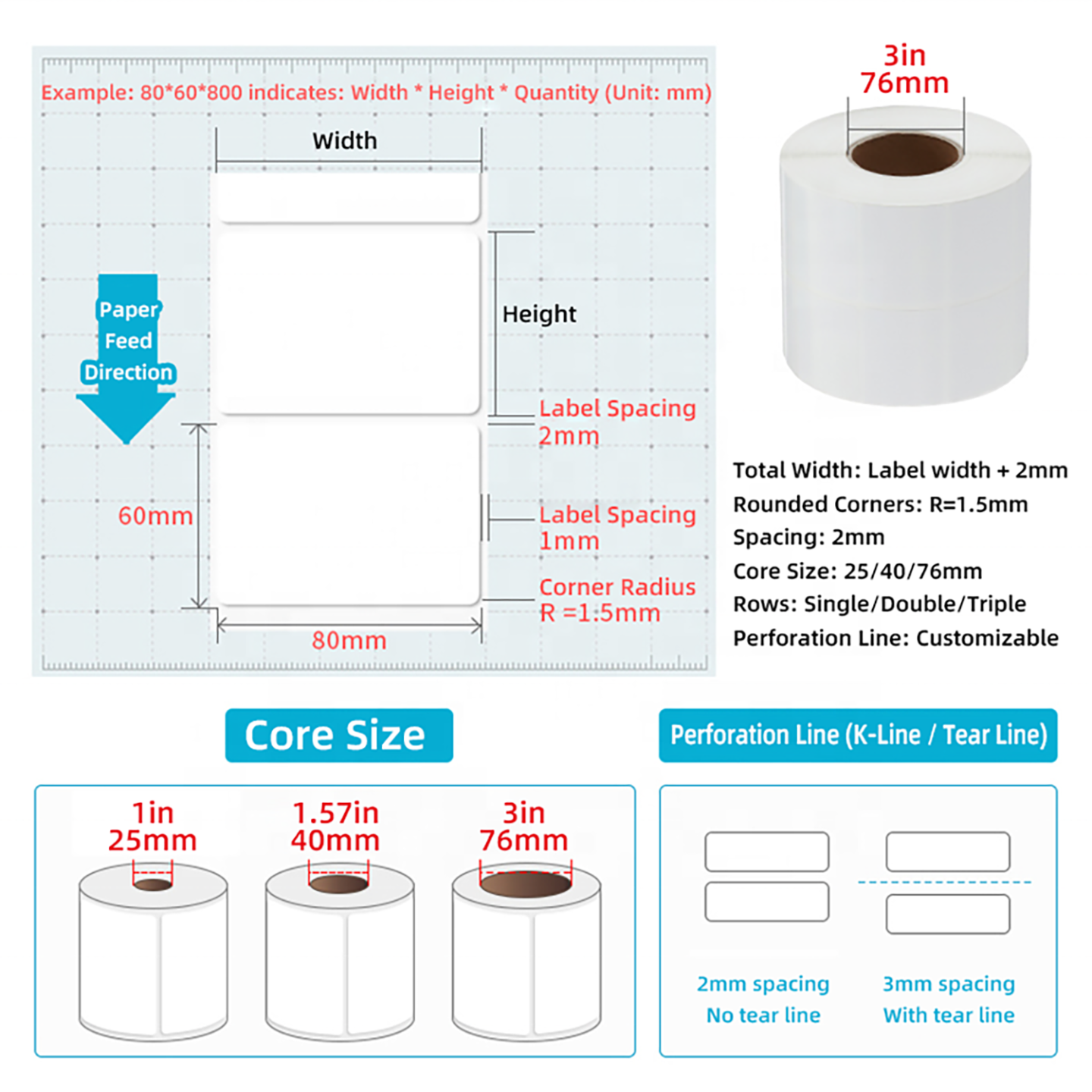 2、 Common specifications and classifications
- Divided by thickness: Common specifications include 25 μ m (25 #), 50 μ m (50 #), 75 μ m, etc. Different thicknesses correspond to different stiffness and applicable scenarios.
- Classified by color: In addition to bright white, there are various types such as matte white, transparent, bright silver, matte silver, etc., which meet different visual and functional needs.
- Structure composition: It consists of three layers: surface substrate (bright white PET film), adhesive (such as permanent acrylic adhesive), and base paper (such as Gracin paper).
3、 Typical application scenarios
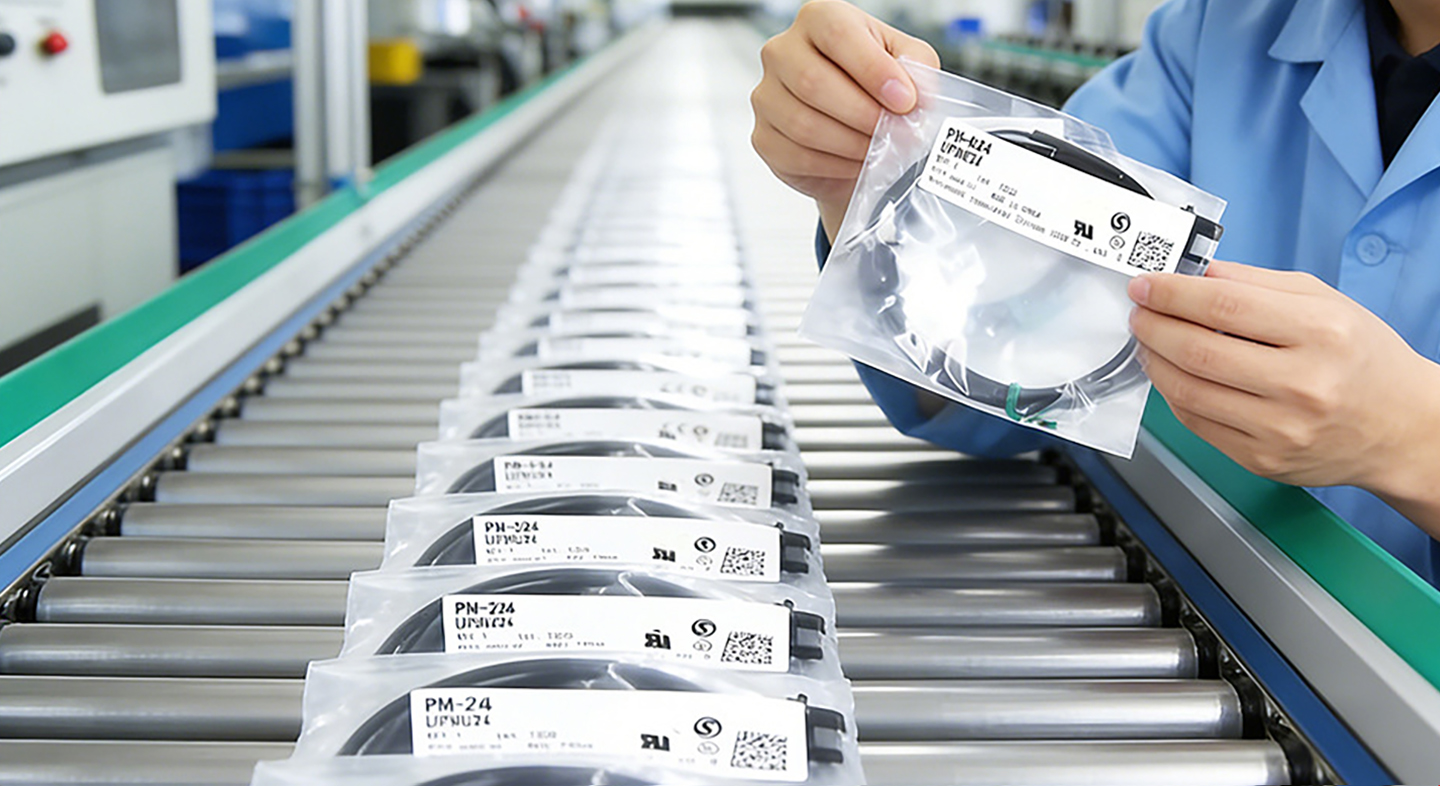
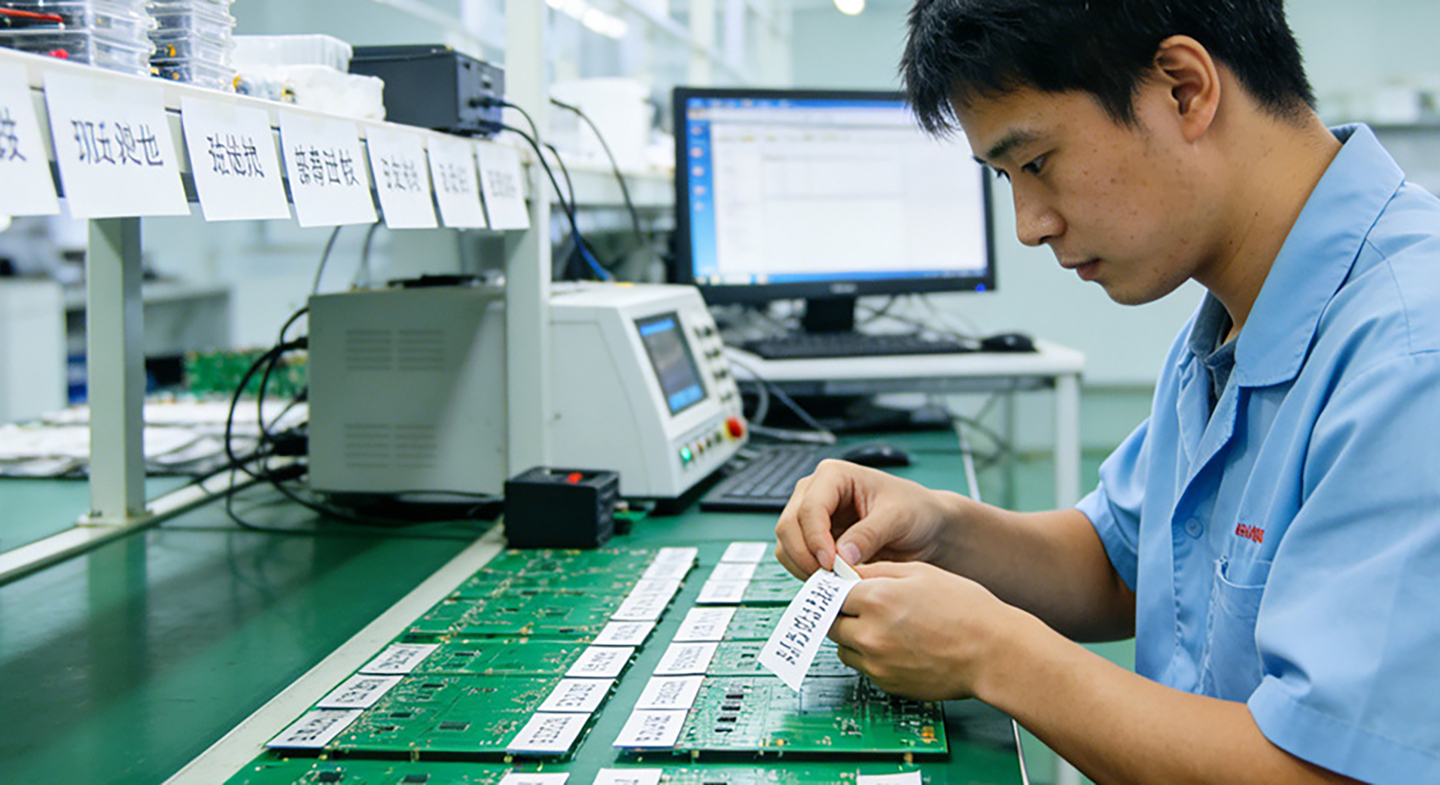
- Electronic products: used for serial number and specification identification of products such as mobile phone batteries, computer monitors, power modules, etc.
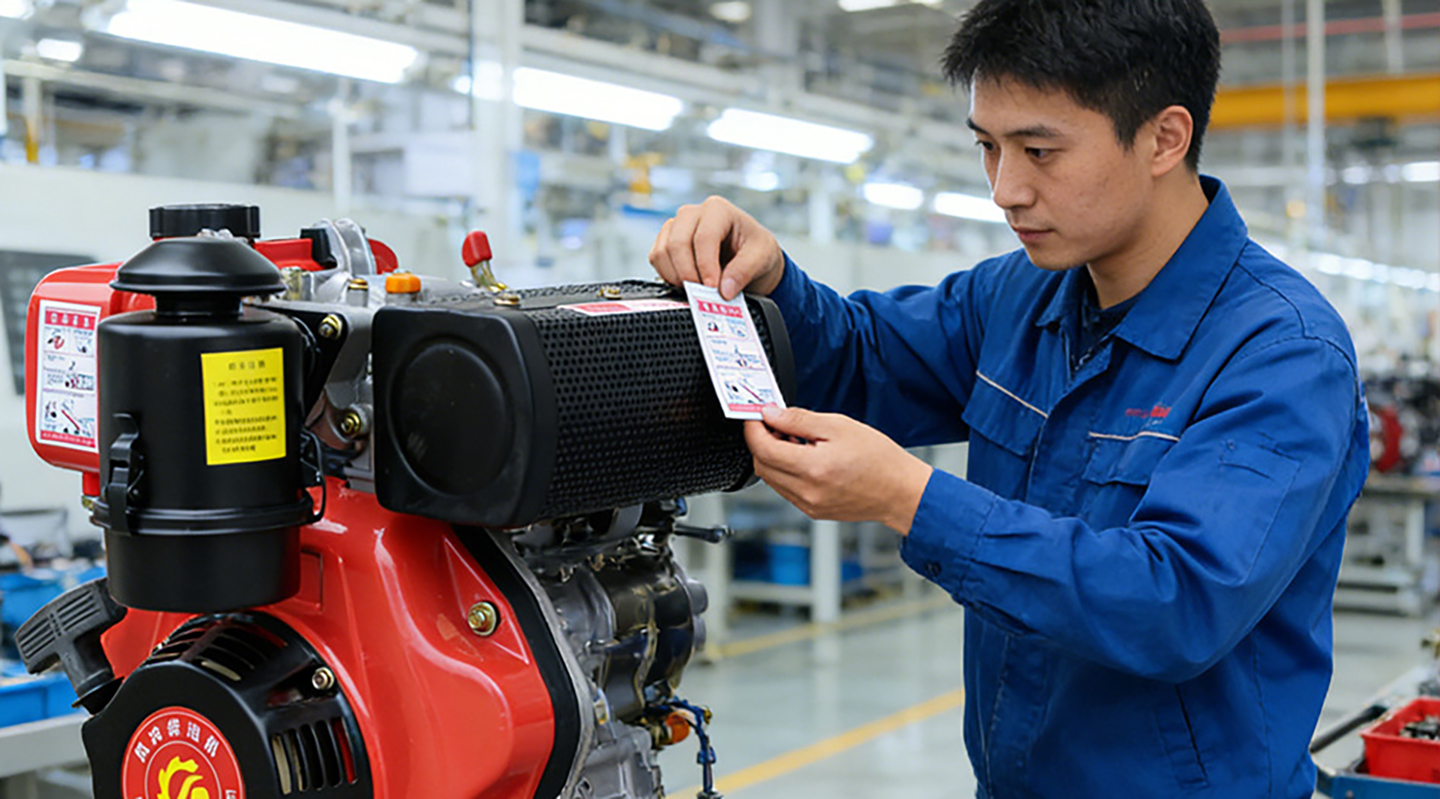
- Industrial manufacturing: suitable for label requirements that require long-term durability, such as air conditioning compressors, mechanical equipment, automotive parts, etc.
- Logistics and Retail: Used for barcode labels, price labels, and promotional labels to improve information management efficiency.
- Medical Health: Used in environments that require disinfection and low temperature resistance, such as medical devices, reagent bottles, and cryovials.
- Food and daily chemical products: suitable for packaging containers that require waterproofing and oil resistance, such as cleaning and kitchen supplies.
4、 Precautions for useAvoid labeling on irregular surfaces or soft materials, as PET material is relatively hard and brittle, which may cause warping or detachment.
After printing, avoid contact with organic solvents such as alcohol, isopropanol, gasoline, etc. to prevent ink or barcode corrosion.
When storing, it is necessary to seal, avoid light, and dry to prevent temperature differences from causing uneven stretching and curling of the face paper and base paper.


